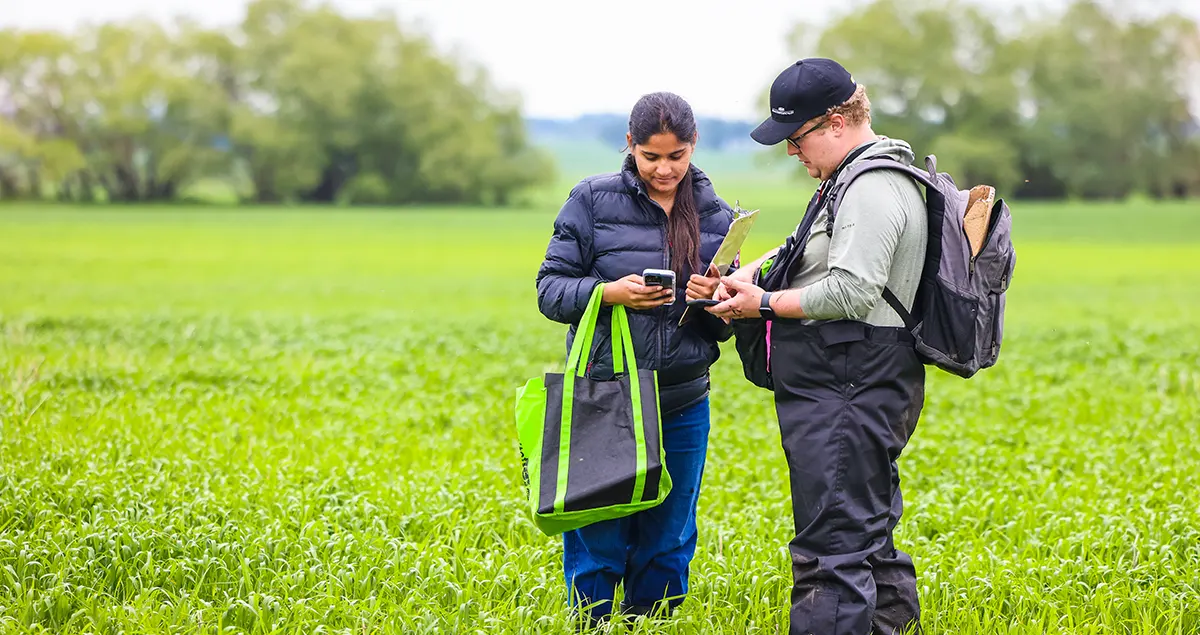
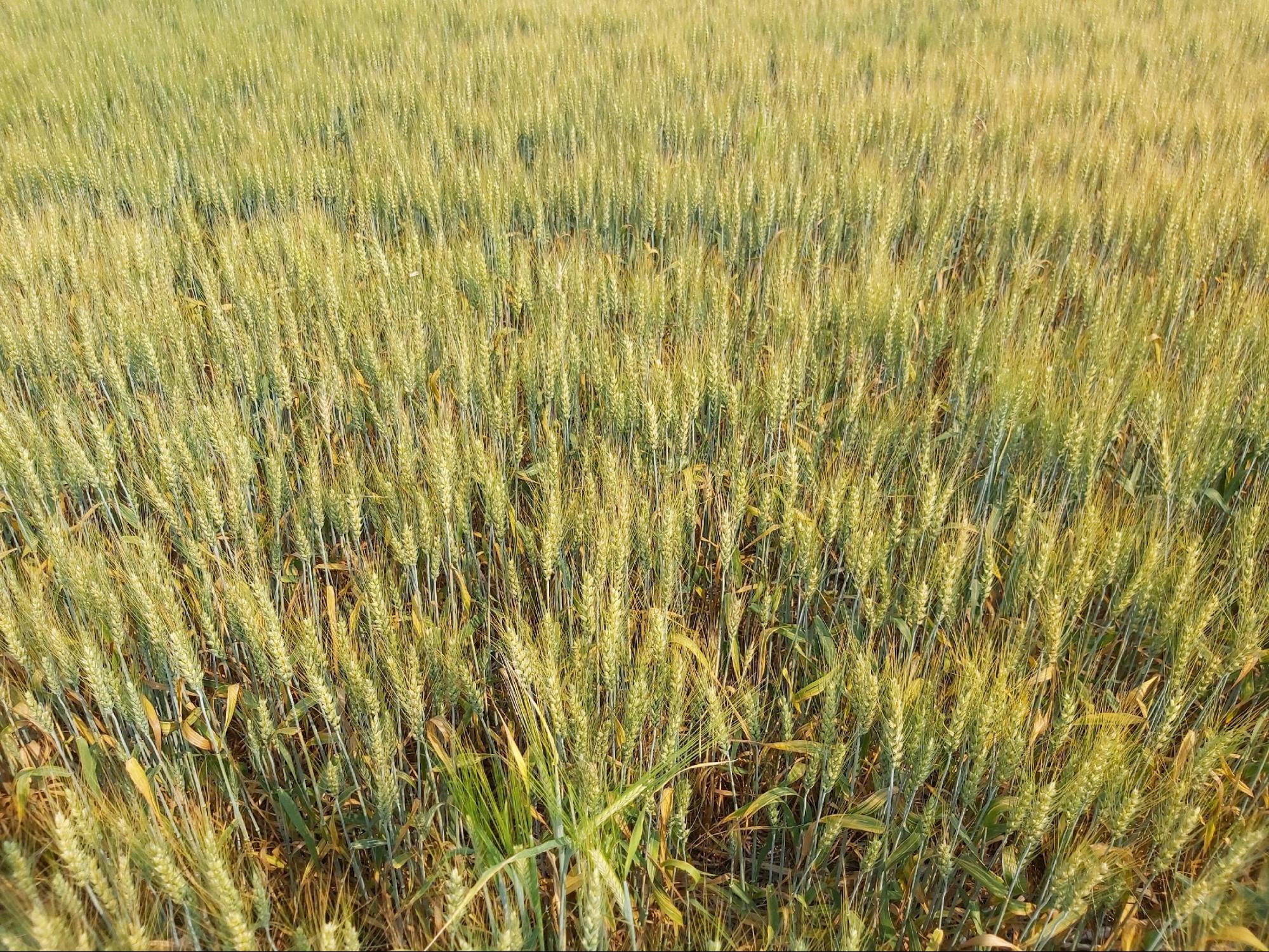
Olds College Centre for Innovation’s (OCCI) crop research team is working with University of Manitoba researchers Dr. Yvonne Lawley and Dr. Emma McGeough to study the impacts of different planting dates on forage crop yields.
Three instructors from Olds College of Agriculture & Technology’s Werklund School of Agriculture Technology recently showcased their research at the 17th International Conference on Precision Agriculture, held in Porto Alegre,...
Isabell Reutter and Ireland Kyrzyk-Smith, Master's students in the Animal Science Program at the University of Manitoba, spent the week of August 10-14 interning with the Technology Access Centre for Livestock Production (TACLP) at Olds College of...
The Technology Access Centre for Livestock Production (TACLP) at Olds College of Agriculture & Technology is the first Canadian research centre to receive and evaluate cutting-edge virtual fencing collars from the New Zealand-based company,...
Dr. Nasima Junejo, Research Grant Facilitator at Olds College of Agriculture & Technology, recently travelled from Alberta to Chongqing, China to share her expertise as an instructor in Southwest University’s Global Immersion Program.
In a recent collaborative project, Olds College of Agriculture & Technology’s Technology Access Centre for Livestock Production (TACLP) research team partnered with client company Taurus RNG to advance sustainable biofuel production...
The Technology Access Centre for Livestock Production (TACLP) at Olds College of Agriculture & Technology has partnered with Cascadia Seaweed to trial an innovative, sustainable cattle feed ingredient: a seaweed mix utilizing the by-product of...
At Olds College of Agriculture & Technology, we are constantly looking for ways to bridge the gap between cutting-edge technology and sustainable agriculture. Right now, if you walk out into our research fields, you might spot some...
The Honourable Heath MacDonald, Minister of Agriculture and Agri-Food, visited Olds College of Agriculture & Technology on Thursday, June 25, 2026 along with Deputy Minister Lawrence Hanson and regional representatives from Agriculture and...
June 26, 2026
Smart Agriculture Research
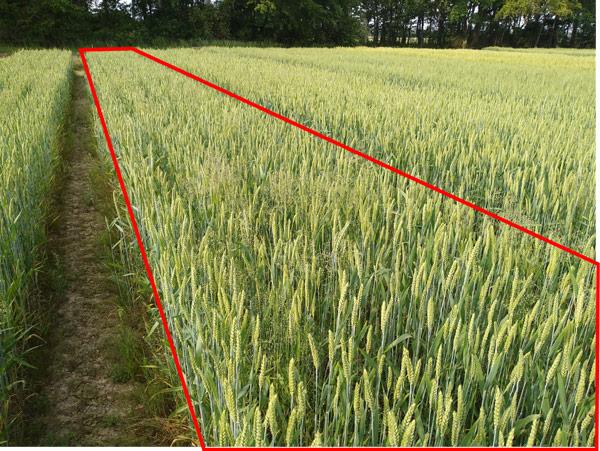
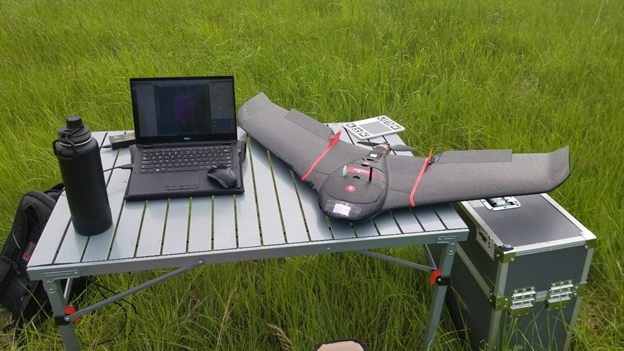
Using Drones and Machine Learning for Lodging Assessment
Lodging can cause cereal yield losses of 7 to 35% also affecting post-harvest conditions and the quality of the grain (Strydhorst et al., 2018).
Developing a Financial Risk Management Plan for your Farm
Before each planting season, farmers must make crucial decisions about what crops to plant and what seeding rates, fertilizer, and other input levels to use.
Understanding & Measuring ‘Mobile Network Connectivity’ for Smart Farming
Digital farming and smart ag technologies will play a large role in the future of sustainable agricultural production. However, smart ag technologies are reliant on connectivity.
Reviewing OMNiPOWER’s Second Season on the #OCSmartFarm
inishing its second year of using autonomous agriculture equipment, the Olds College Smart Farm was able to get A LOT more comfortable with OMNiPOWER by collecting data on a total of 60 missions.
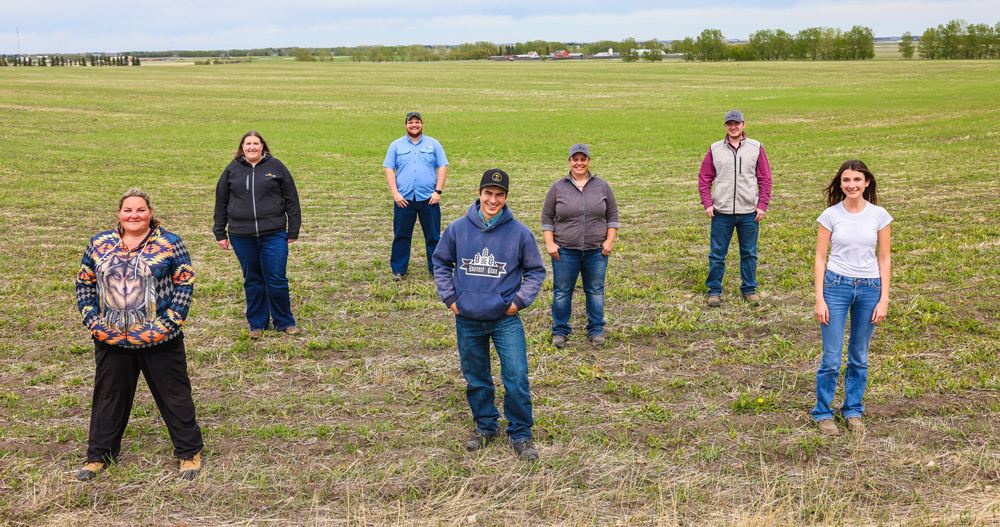
Providing meaningful work-integrated learning opportunities while benefiting from new skill sets and fresh perspectives — the makings of a successful partnership this year between Olds College and 12 enthusiastic agriculture students.
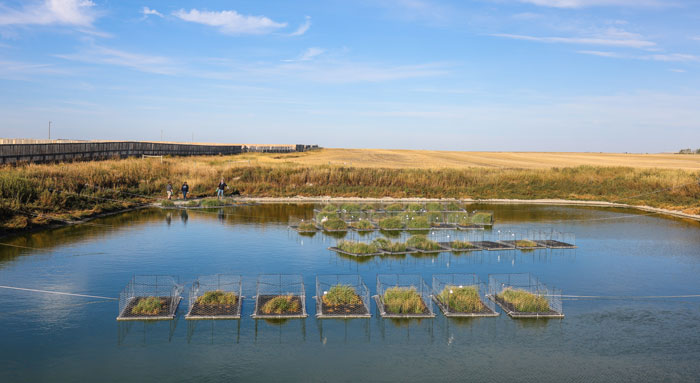
Floating Island Technology for Livestock Water Remediation
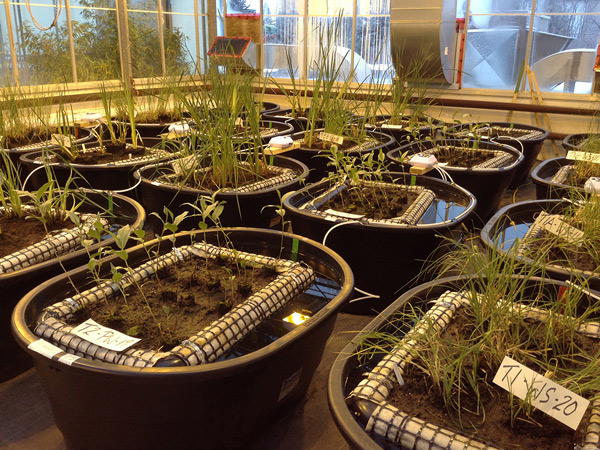
Olds College researchers are evaluating the economic and environmental benefits of using native wetland plants and floating island technology to remediate feedlot runoff water.
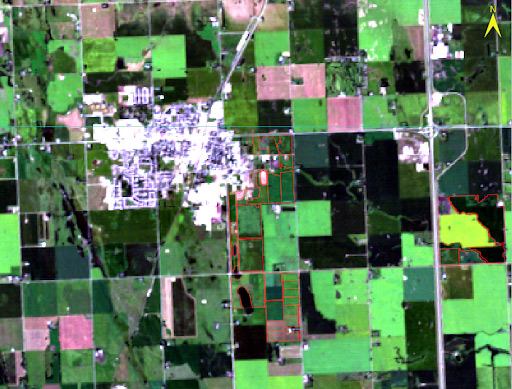
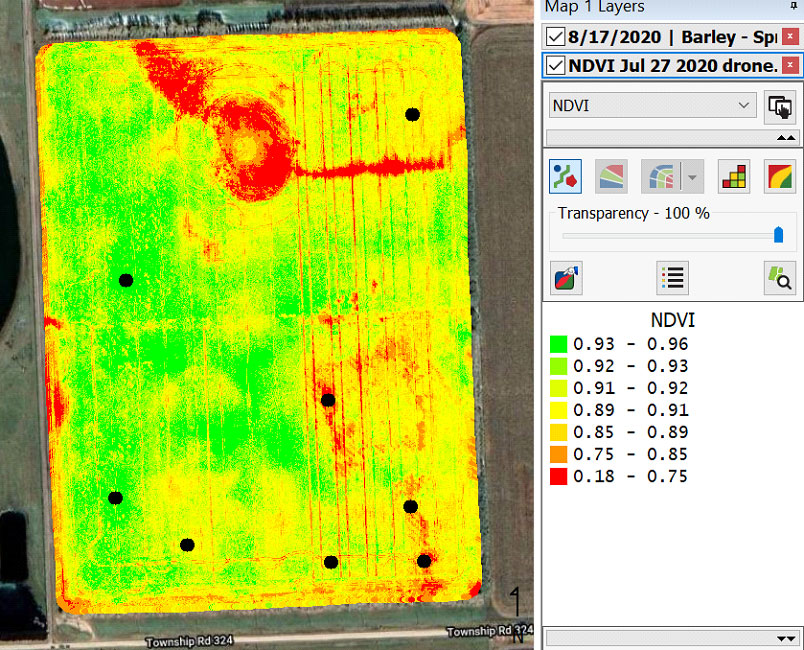
Using various types of satellite imagery for monitoring crop conditions and field variability analysis is one of the most important components of the Smart Ag ecosystem.
Since its creation, the Olds College Smart Farm has tested and validated pretty much any advanced or leading edge precision ag technology that exists in the world (and this is not an exaggeration!).
In the last decade, remote sensing tools became an essential component of precision agriculture. Satellite and aerial imagery is extensively used for field monitoring and crop condition assessment.
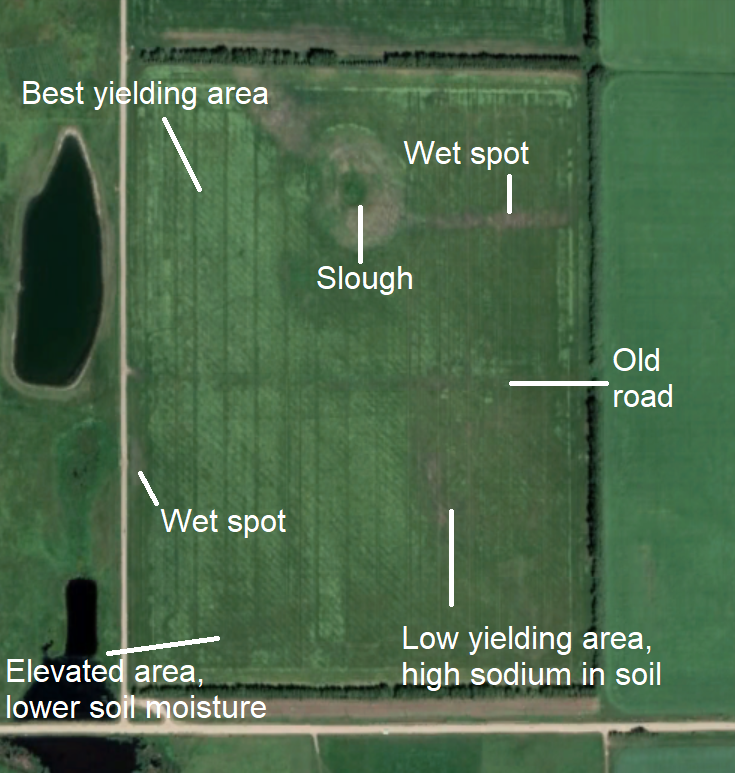
Yield Forecast, Virtual Yield Mapping, and Yield Loss Assessment
The most common application of remote sensing in agriculture is to analyze crop conditions using a combination of near-infrared (NIR) and red parts of the spectrum.
Autonomous Equipment On the Olds College Smart Farm
This next generation of ag-technology gives Olds College students one-of-a-kind learning opportunities on commercially available field-scale robotics technology on the College’s Smart Farm.
Advancing Reproductive Efficiency & Stress Management in Beef Heifers: A Western Canadian Perspective
A comprehensive two-year study was conducted by the TACLP at Neilson Beef in Stettler, Alta, investigating reproductive efficiency and alleviating stress in beef heifers.
Rotational grazing practices help on-farm sustainability by enhancing pasture productivity and soil health (and preventing overgrazing) which increases carbon sequestration — leading to potential carbon credits for producers.
In September 2023, Environmental Stewardship researchers performed end of season sampling on the 55 floating islands deployed on two feedlot ponds near Linden, Alta.
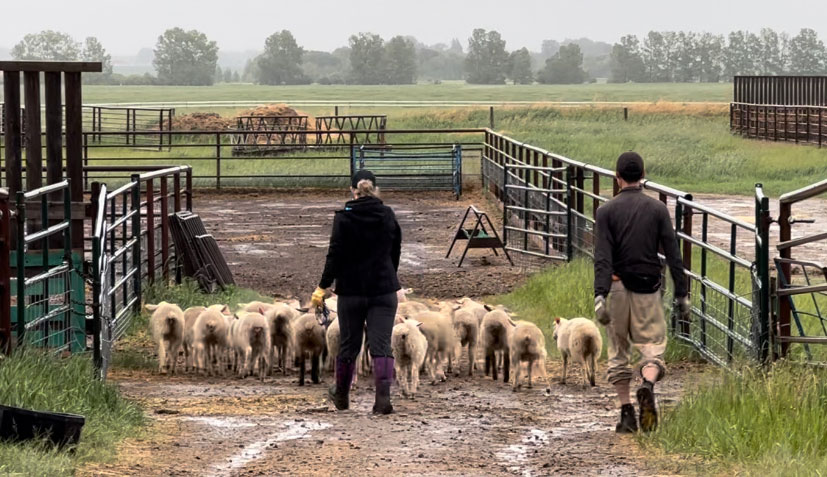
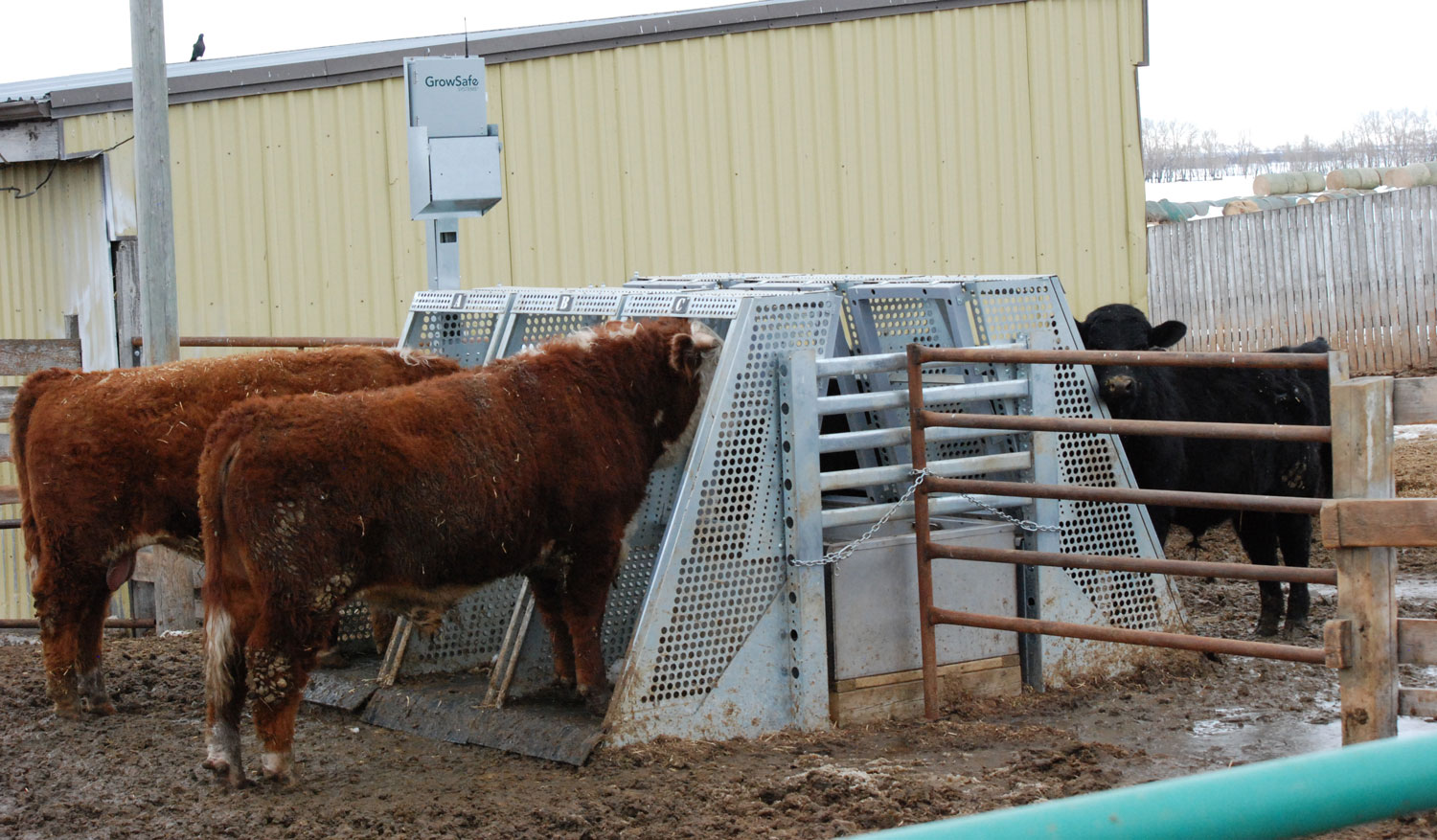
Technologies to Improve Sheep Production Efficiency: Measuring Feed Efficiency & Early Detection of Parasitic Infection
The TACLP is conducting a research project to identify and quantify a panel of predictive blood biomarkers for feed efficiency and sheep parasite infection using genomics and metabolomics technologies.
Rotational grazing systems can help maximize soil health and pasture productivity, but are hard to implement due to labour shortages and infrastructure costs.