

The key goals for crop research are to develop and test ways to improve agronomic practices — including nutrient application or pest management — in order to enhance crop yield while consuming fewer resources. Ultimately, the intent is to transition the food production sector to a climate-resilient, agricultural, circular economy.
The crops research team delivers results that can be applied to real farms to meet the goals of efficiency, profitability and sustainability.
25 projects evaluating weed control, crop safety, application rates, timings and tank mixes.
11 projects investigating nutrient use efficiency, fertilizer reduction, crop performance and integration with conventional crop inputs.
Nine projects evaluating 96 wheat, barley, pea and faba bean varieties at Olds and Three Hills locations.
Four projects evaluating disease management strategies and crop responses.
10 projects evaluating biostimulants, crop protection and microbial products under controlled conditions, focusing on product efficacy, application strategies and crop response.
Additional research includes microbial inoculants, plant growth regulators, flea beetle management and forage production.

This project evaluates pest management strategies for controlling flea beetles in canola under Alberta growing conditions. Replicated field trials assess treatment efficacy, flea beetle damage, crop establishment and plant health to support effective canola pest management.

This research evaluates fungicide products, rates and application timings for managing key diseases in wheat, canola, peas and lentils under Alberta growing conditions. Field trials assess disease suppression, crop response and yield to identify effective disease management strategies.

These field demonstration trials showcase wheat, barley, oats, triticale and pea varieties from FP Genetics under Alberta growing conditions. The trials provide producers and industry with field-scale comparisons of crop growth, yield and performance through field tours and knowledge sharing.

These regional field trials evaluate pea and faba bean varieties for yield, crop establishment, maturity, disease, lodging and overall performance under Alberta growing conditions. The research provides independent data to support pulse variety selection and production decisions.

Regional cereal variety trials evaluate wheat and barley varieties for yield, agronomic performance, disease resistance and adaptability under Alberta growing conditions. The independent field data helps Alberta producers make informed decisions when selecting cereal varieties.

These field trials evaluate herbicide strategies for weed control in preseed and chemical fallow systems under central Alberta conditions. The research compares products, application rates, timings and tank mixes to generate independent data for effective and sustainable fallow weed management.

This project evaluates 20 herbicide trials in wheat, canola, peas, lentils and barley to identify effective weed management strategies under Alberta growing conditions. The trials assess herbicide products, rates, timings and tank mixes for controlling key prairie weeds while maintaining crop safety.

This greenhouse study evaluates SR5 microbial technology for improving weed control and crop performance while reducing herbicide rates in Alberta barley and canola. The research compares application strategies for managing kochia and wild oats while assessing crop safety, biomass and plant growth.

Olds College Centre for Innovation is evaluating the potential of Eve Plant Nutrition Canada’s mineral-based biostimulant EveAg to improve crop productivity and nutrient use efficiency in wheat and canola production systems under Alberta growing conditions.

An ongoing research project from Olds College Centre for Innovation and Cascadia Seaweed is investigating the integration of seaweed products into standard nutrient management strategies, including their ability to be mixed with common herbicides.

Olds College Centre for Innovation is assessing the wood-derived biostimulant pyroligneous acid for wheat and canola crops, to see how it could help enhance plant health and cut down on greenhouse gas emissions.

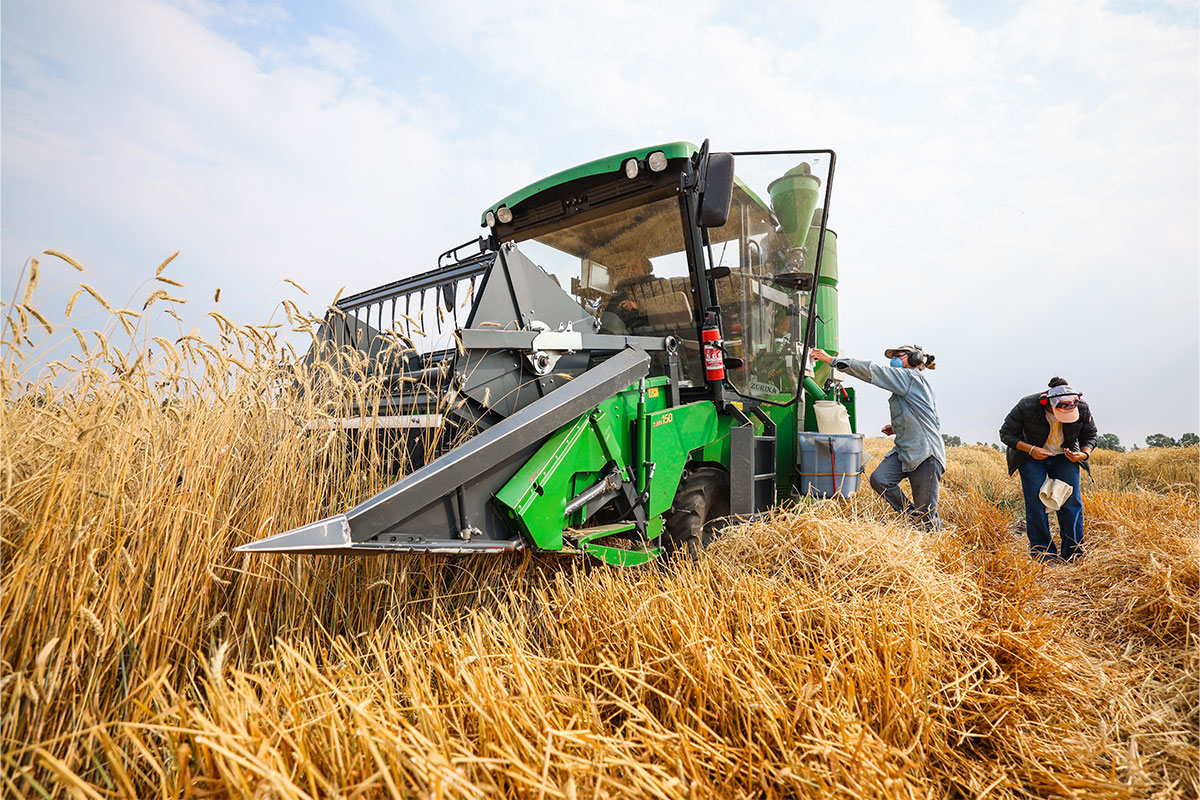
Crop research, small plot trials or full field investigations, is key to Olds College crop research portfolio.
Research Manager

Research Assistant

Research Associate

Research Technician - Field Crops

Research Technician - Field Crops
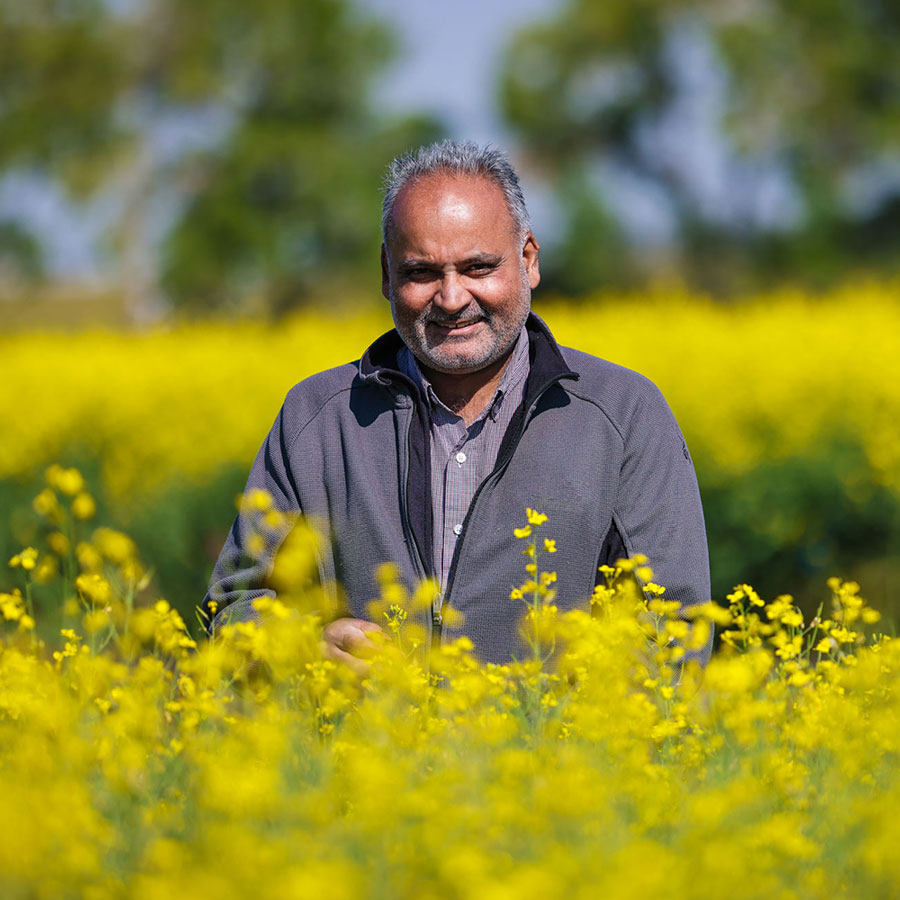
Shabeg Briar, Ph.D., P.Ag.
Research Scientist - Crops
403.507.7980
sbriar@oldscollege.ca